
Structural Masonry

Commercial Masonry Services

Structural masonry forms the load-bearing framework of buildings where strength, durability, and fire resistance are paramount. Our crews understand that proper reinforcement placement, grout consolidation, and quality control are non-negotiable in load-bearing applications. We install pilasters, bond beams, lintels, and continuously reinforced wall systems to structural engineering specifications, coordinating with inspectors and testing agencies at every stage.

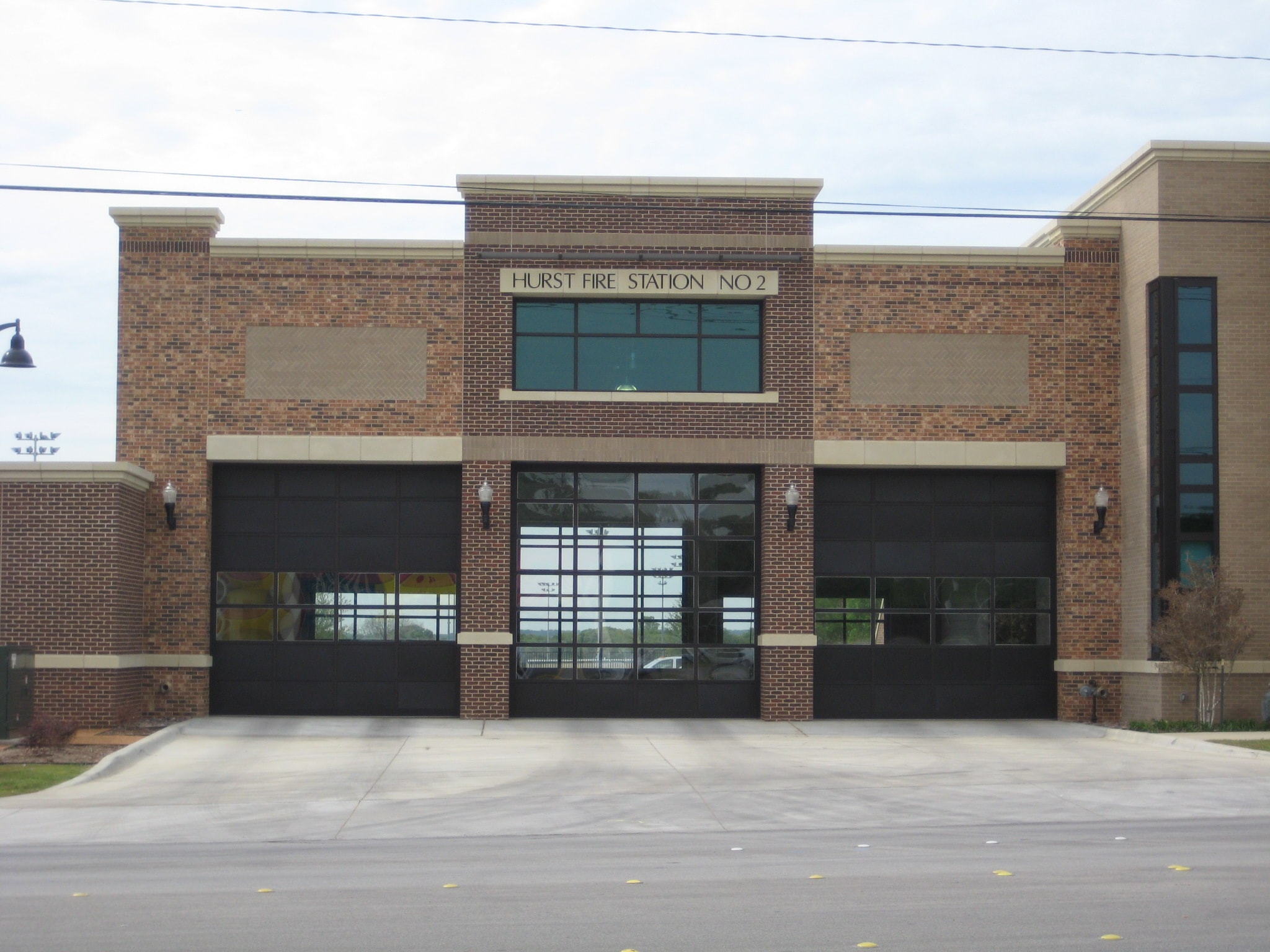
The technical demands of structural masonry require crews trained in high-lift grouting, mechanical splicing, and special inspection protocols. We work with structural engineers to resolve field conditions and value-engineer solutions that maintain design intent. From fire station apparatus bays to multi-story bearing walls, structural masonry provides an economical alternative to steel or concrete framing — and Fenimore-Blythe's 80+ years of experience give general contractors confidence in the execution. Structural CMU systems are often paired with brick or stone veneer to combine load-bearing performance with architectural finish.

Common Applications

  • Fire stations and public safety buildings
  • Schools and educational facilities
  • Parking structures
  • Warehouse and industrial buildings
  • Multi-story bearing wall construction
  • Elevator and stair cores
  • Retaining walls

Frequently Asked Questions

What is reinforced masonry?
Reinforced masonry combines masonry units (typically CMU) with steel reinforcing bars and grout to create a structural system capable of resisting significant loads. Vertical reinforcement is placed in hollow cells that are then filled with grout, and horizontal reinforcement runs through bond beams at specified intervals. This composite system provides the compressive strength of masonry with the tensile strength of steel.
When is structural masonry required vs. veneer?
Structural masonry is required when the masonry walls must support gravity loads from floors or roofs, resist significant lateral forces from wind or seismic events, or meet specific fire-resistance requirements as part of the building's structural system. Veneer is appropriate when masonry serves only as a weather barrier and architectural finish over a separate structural frame. The structural engineer determines which system is appropriate based on building design and code requirements.
What is a grouted masonry wall?
A grouted masonry wall has some or all of its hollow cells filled with fluid grout (a mixture of cement, aggregate, and water). Partial grouting fills only the cells containing reinforcement, while solid grouting fills every cell. Grout consolidates around reinforcement to create composite action and increases the wall's fire rating, sound transmission class, and structural capacity. Proper grout placement and consolidation are critical to performance.
What are pilasters, lintels, and bond beams?
Pilasters are thickened wall sections that provide concentrated support for beams, joists, or heavy loads. Lintels are horizontal reinforced elements that span over door and window openings, transferring loads to the adjacent masonry. Bond beams are continuously reinforced horizontal courses that tie the wall together, distribute loads, and occur at floor lines, roof lines, and other locations specified by the engineer. All three are critical components of reinforced masonry systems.
How does structural masonry meet seismic requirements?
Structural masonry resists seismic forces through reinforced shear walls that are anchored to the foundation and connected to floor and roof diaphragms. Building codes specify minimum reinforcement ratios, maximum wall spacing, and connection details based on the seismic design category. Special reinforced masonry shear walls provide the highest level of ductility and energy dissipation, achieved through prescriptive reinforcement patterns and quality assurance measures.

Structural Masonry

Reinforced load-bearing masonry systems including grouted and reinforced CMU, multi-wythe bearing walls, pilasters, lintels, and bond beams.

Ready to start your project?

Request an Estimate

Keep Exploring

Our Other Services

CMU / Concrete Block commercial masonry construction in Fort Worth

CMU / Concrete Block

Load-bearing and non-load-bearing CMU walls, reinforced block, split-face, burnished, and ground-face block for commercial and institutional construction.

Explore CMU / Concrete Block
Brick Masonry commercial masonry construction in Fort Worth

Brick Masonry

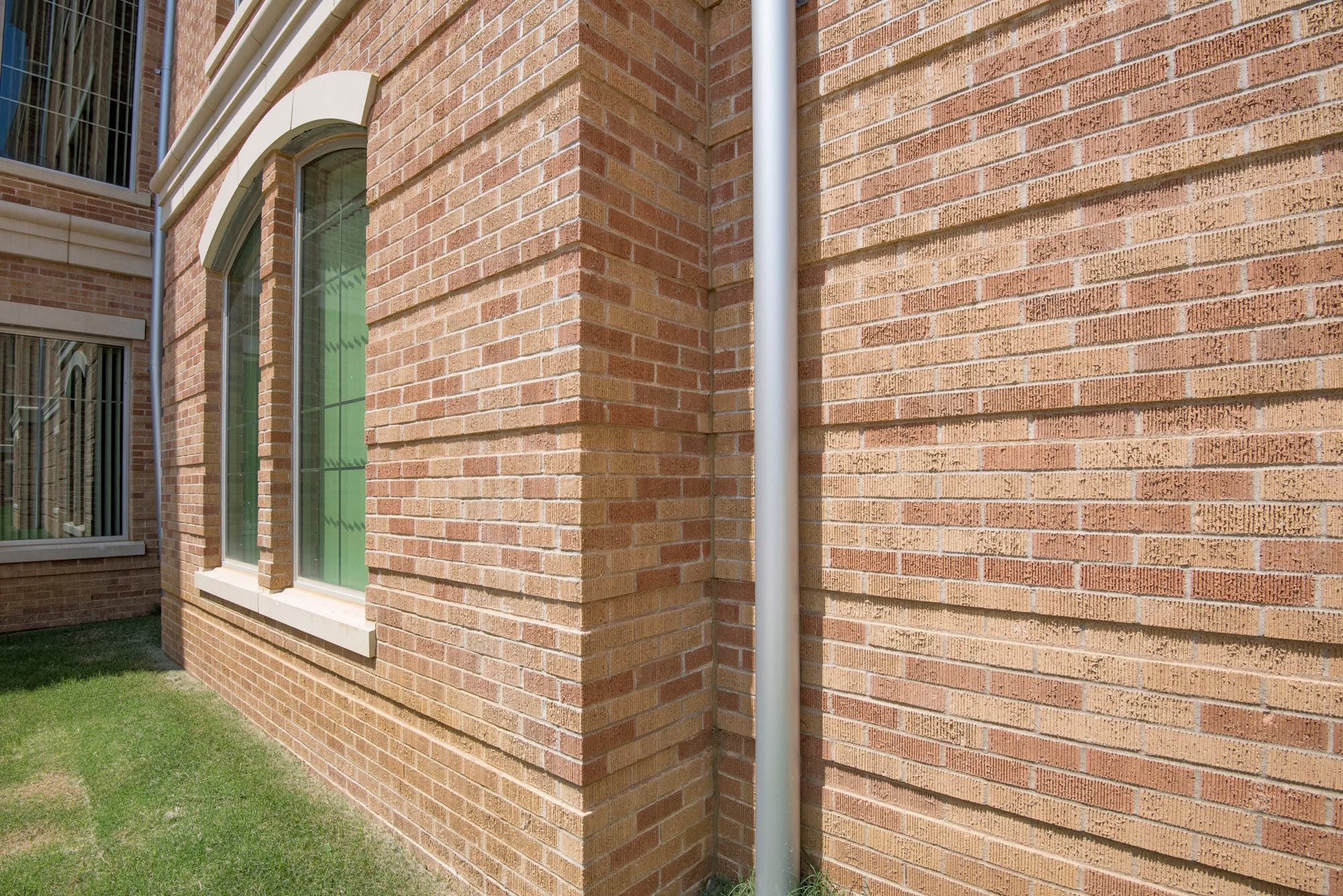
Modular, utility, and oversize brick in running bond, stack bond, Flemish bond, and soldier courses. Veneer systems, cavity walls, and multi-wythe construction.

Explore Brick Masonry
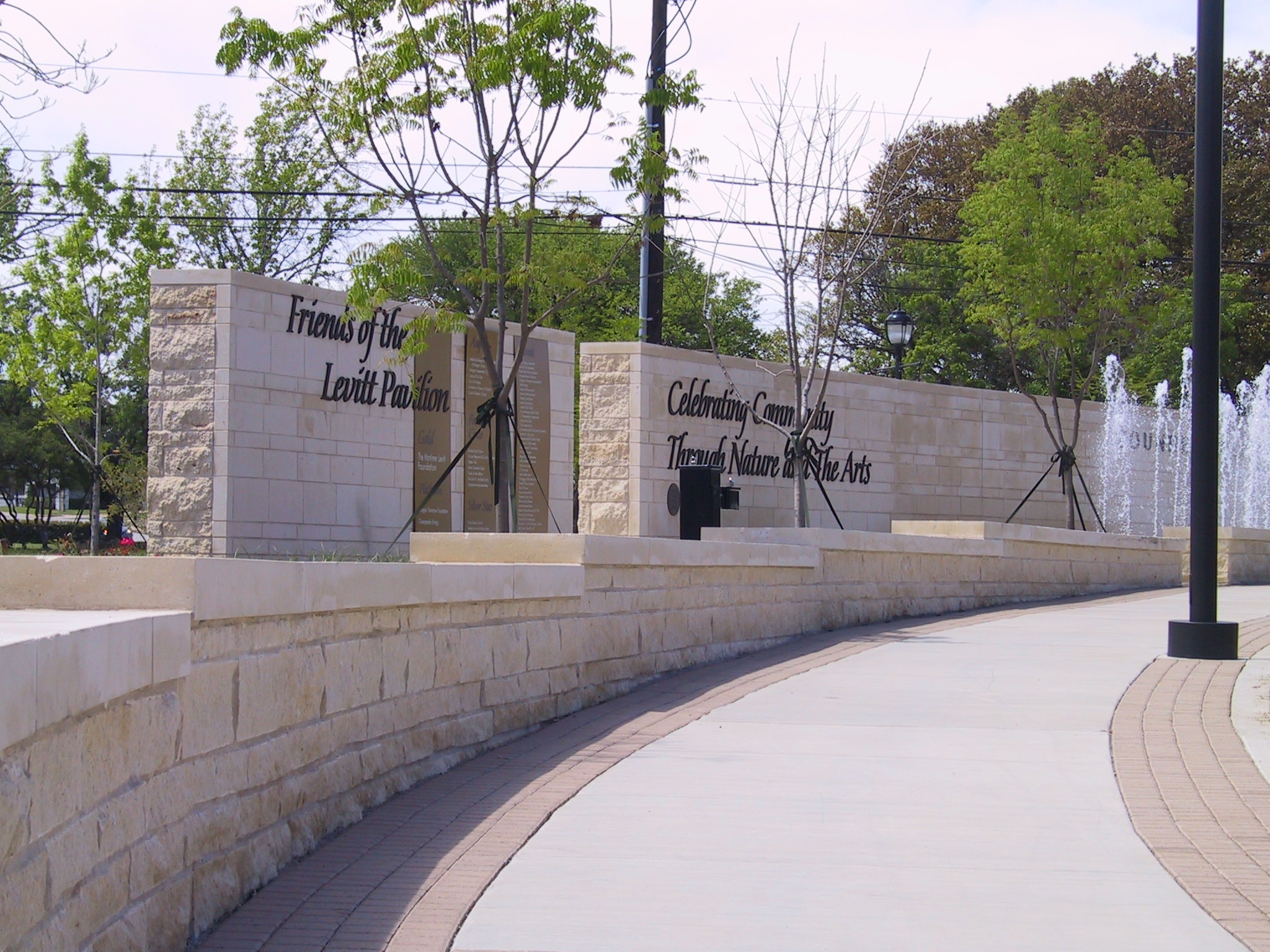
Natural Stone commercial masonry construction in Fort Worth

Natural Stone

Limestone, sandstone, and granite installation. Cut stone, ashlar, and rubble for cladding, accent walls, entrances, and monuments.

Explore Natural Stone

Ready to discuss your next project?

Request an Estimate

Or call us: (817) 834-6301