Natural Stone

Commercial Masonry Services

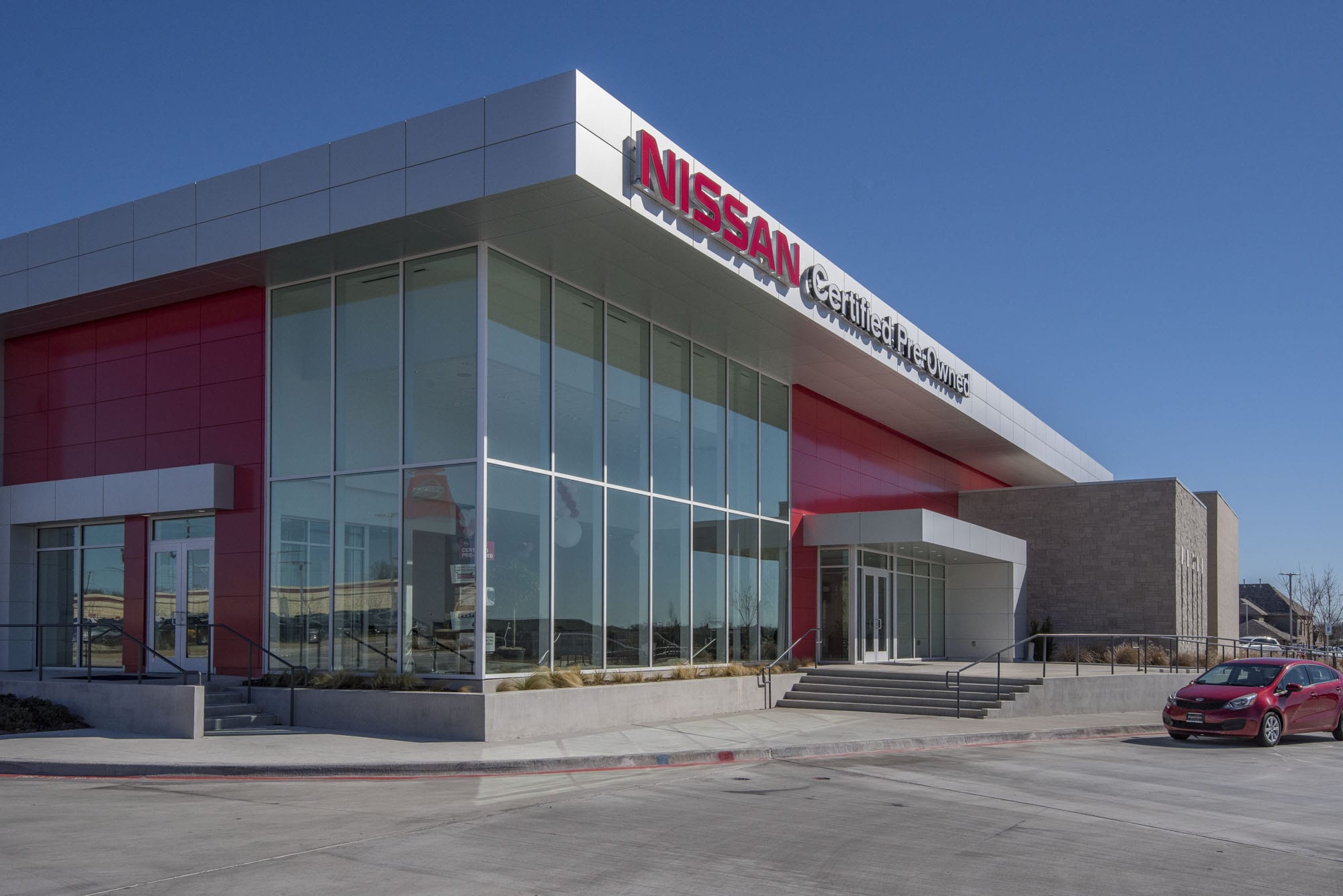
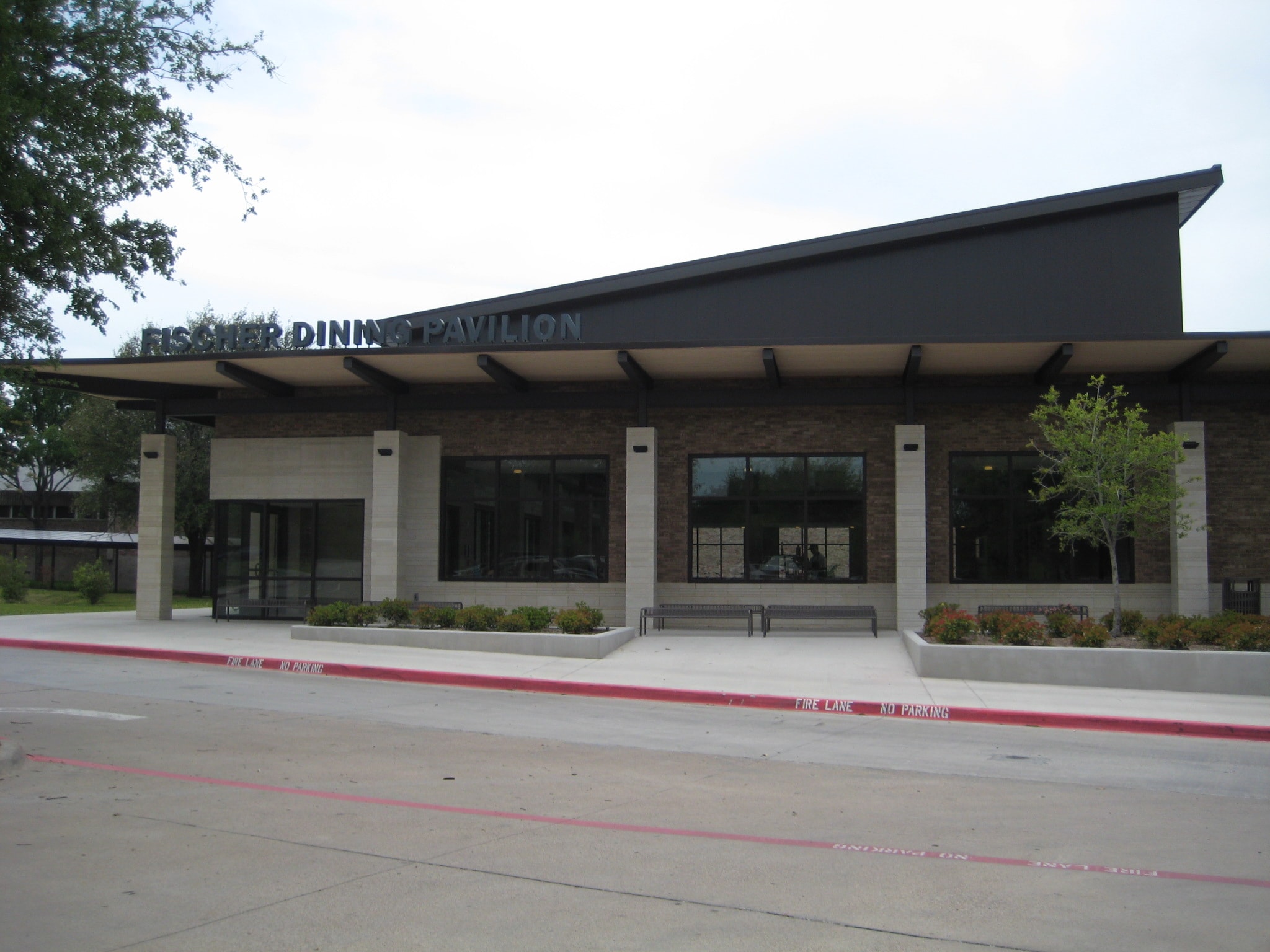
Natural stone brings permanence and elegance to commercial architecture. Fenimore-Blythe's stone masons are skilled in Texas limestone, sandstone, granite, and imported stones — from precision-cut ashlar panels to rustic rubble walls. We execute installations that honor the material's natural beauty while meeting the demands of modern construction.

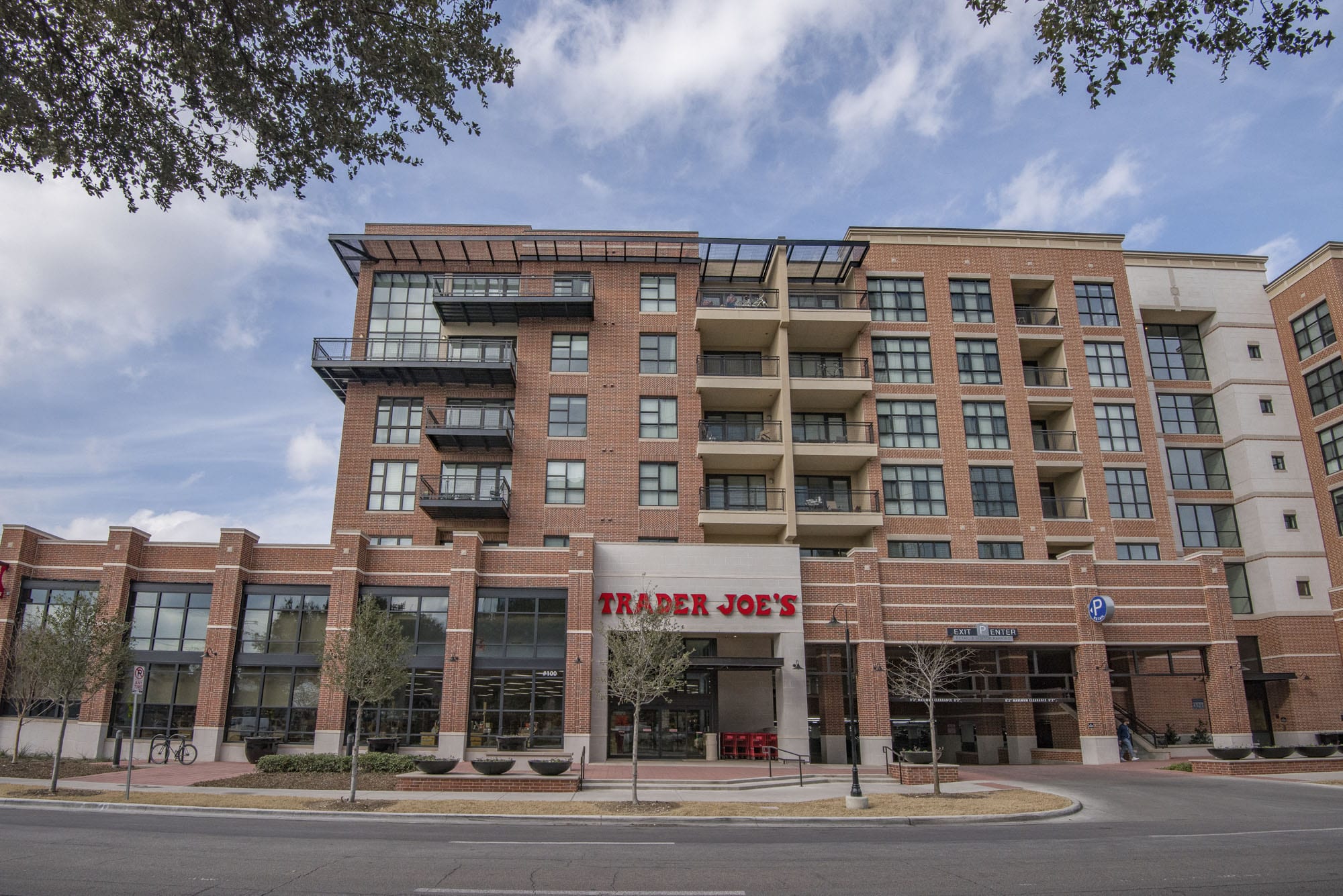
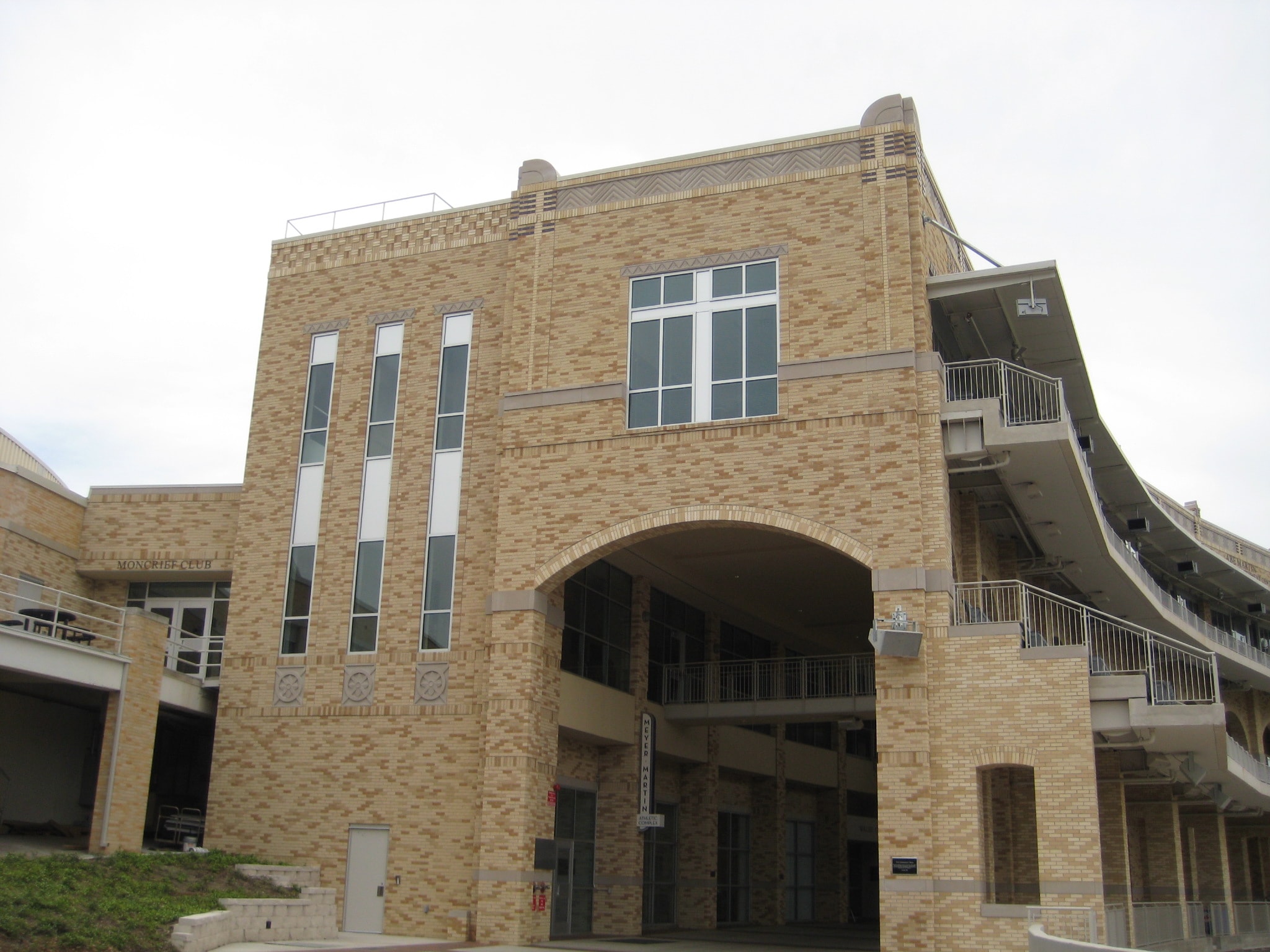
Stone cladding requires specialized knowledge of anchoring, joint design, and material handling that comes from decades of hands-on experience. Our crews install mechanical anchor systems for large-format panels, traditional mortar-set applications for smaller units, and hybrid systems where conditions require. We coordinate with fabricators on sizing, edge profiles, and surface finishes, and sequence installations to maintain consistent color and veining across the facade. Stone is frequently combined with brick masonry in campus and institutional settings, backed by CMU structural walls.
Common Applications

  • University and institutional buildings
  • Corporate headquarters and lobbies
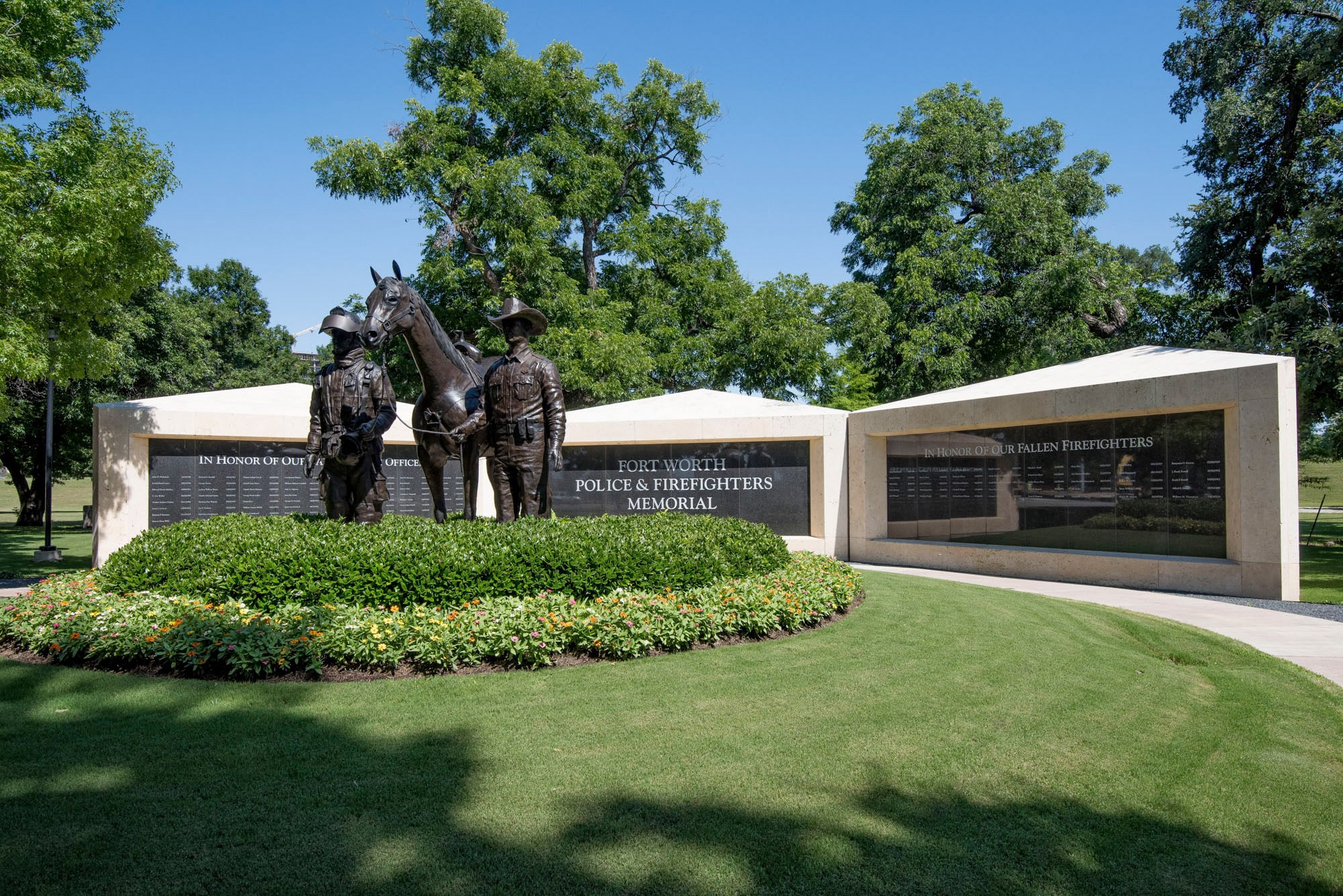
  • Monuments and memorials
  • Religious institutions
  • High-end retail and hospitality
  • Entry features and accent walls
  • Historic restoration

Frequently Asked Questions

What types of natural stone are used in commercial construction?
Limestone is the most common choice in Texas commercial construction, offering warm tones and excellent workability. Sandstone provides similar warmth with more pronounced texture and color variation. Granite is favored for high-traffic areas and bases due to its extreme hardness and durability. Marble, slate, and travertine are used in specialty applications. Stone selection should consider aesthetic goals, exposure conditions, and long-term maintenance requirements.
How does stone cladding attach to a building?
Stone cladding typically attaches using mechanical anchors that tie the stone to the structural backup wall. Anchor types include kerf clips (inserted into slots cut in stone edges), dowel anchors, and continuous angles for shelf support at floor lines. The anchor system must accommodate thermal expansion, structural movement, and seismic loads. Thin stone veneers may also be adhered directly to concrete or CMU substrates using specialized mortars.
What is the difference between cut stone and ashlar?
Cut stone refers to stone that has been sawn and finished to precise dimensions, typically with smooth or honed faces and tight joints. Ashlar is a pattern of rectangular stone blocks, usually with visible mortar joints, that can range from uniform coursing to random sizes. Rubble stonework uses irregular, minimally dressed stones for a rustic appearance. The terms describe both the stone's preparation and the resulting wall pattern.
How does natural stone compare to manufactured stone?
Natural stone offers unmatched authenticity, durability, and long-term value. Each piece is unique, with color and veining that manufactured products cannot fully replicate. Natural stone typically has a lifespan measured in centuries. Manufactured stone (cast concrete or calcium silicate) costs less upfront and weighs less, making it suitable for residential applications, but may fade, chip, or require replacement within decades on commercial buildings.
What maintenance does natural stone require?
Natural stone requires periodic inspection of sealant joints and anchor systems, typically every 5 to 10 years. Limestone and sandstone may benefit from water-repellent sealers in areas of heavy rain exposure. Cleaning should use appropriate pH-neutral products to avoid etching or staining. Granite requires minimal maintenance beyond cleaning. Repointing of mortar joints may be needed after several decades depending on mortar type and exposure conditions.

Natural Stone

Limestone, sandstone, and granite installation. Cut stone, ashlar, and rubble for cladding, accent walls, entrances, and monuments.

Ready to start your project?

Request an Estimate

Keep Exploring

Our Other Services

CMU / Concrete Block commercial masonry construction in Fort Worth

CMU / Concrete Block

Load-bearing and non-load-bearing CMU walls, reinforced block, split-face, burnished, and ground-face block for commercial and institutional construction.

Explore CMU / Concrete Block
Brick Masonry commercial masonry construction in Fort Worth

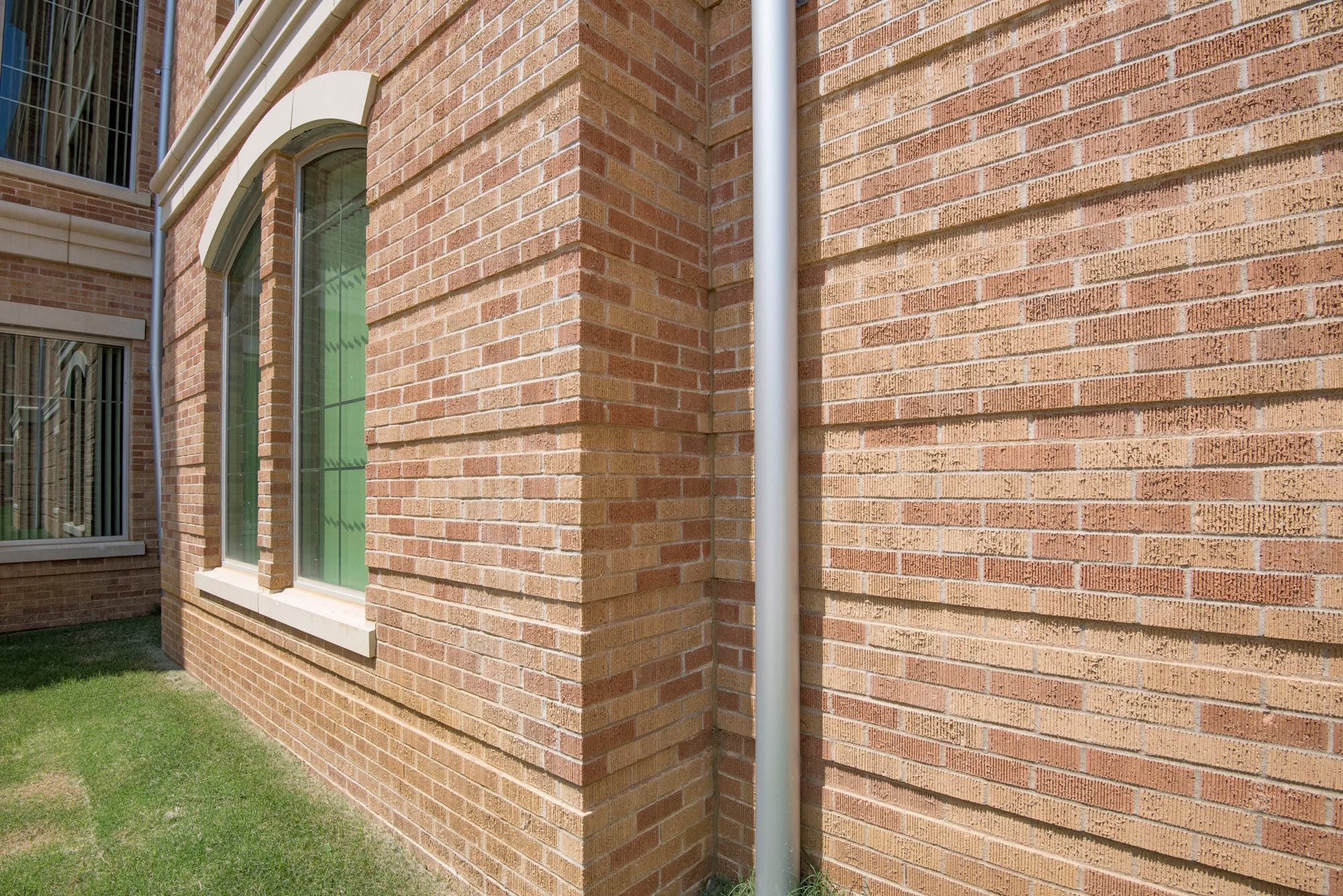
Brick Masonry

Modular, utility, and oversize brick in running bond, stack bond, Flemish bond, and soldier courses. Veneer systems, cavity walls, and multi-wythe construction.

Explore Brick Masonry
Structural Masonry commercial masonry construction in Fort Worth

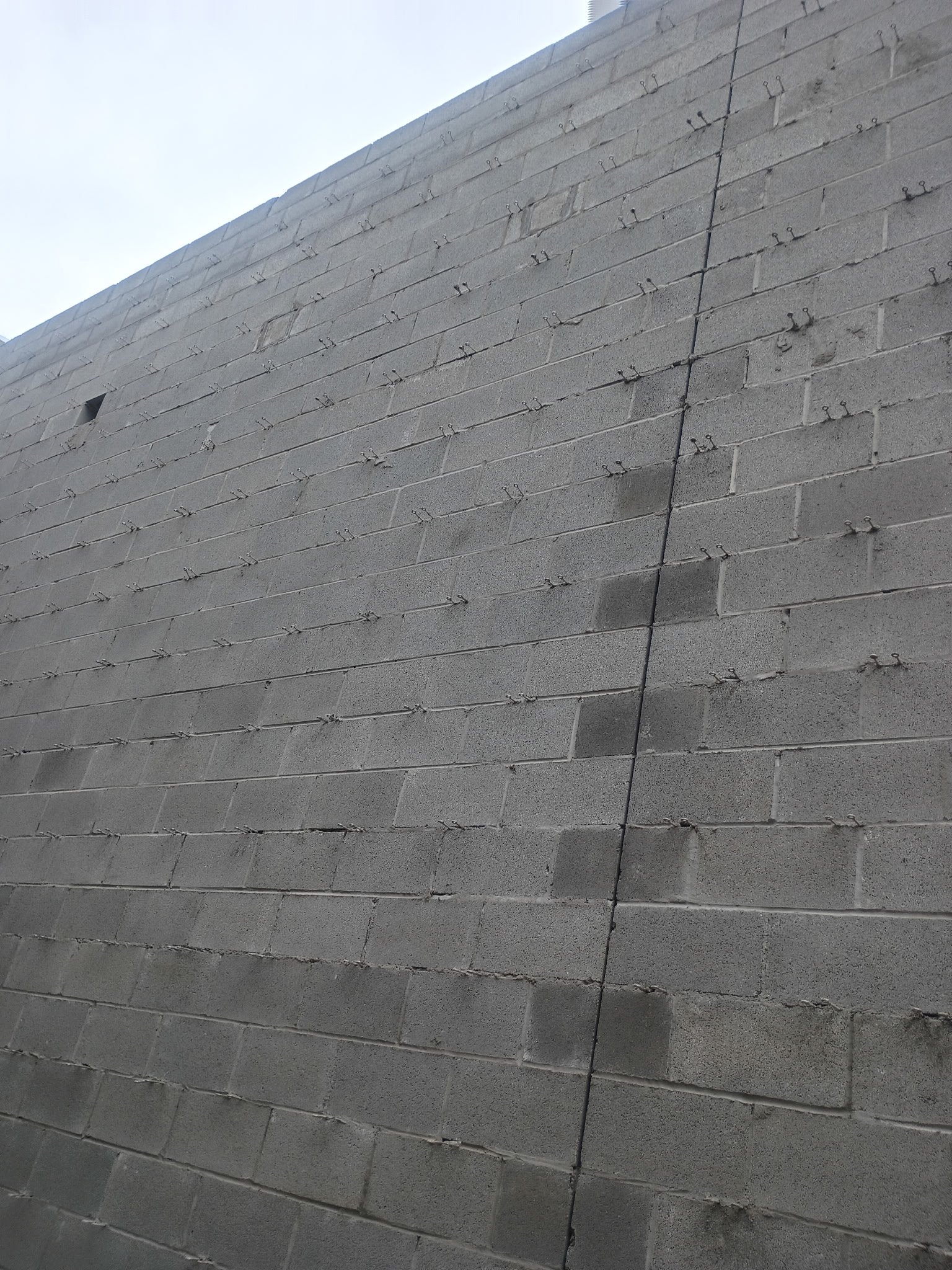
Structural Masonry

Reinforced load-bearing masonry systems including grouted and reinforced CMU, multi-wythe bearing walls, pilasters, lintels, and bond beams.

Explore Structural Masonry

Ready to discuss your next project?

Request an Estimate

Or call us: (817) 834-6301